If your lights flicker occasionally, you’re not alone. It’s one of the most common electrical questions homeowners ask. Sometimes it’s harmless. Other times, it’s a sign of a bigger electrical issue. Here’s how to tell the difference.
When Flickering Is Normal
A brief dimming of lights when a large appliance turns on, like your microwave, air conditioner, or dryer is usually normal.
Why?
Large appliances draw a significant amount of power when they start up. That temporary demand can cause lights on the same circuit to dim for a second.
If the flicker:
- Happens briefly
- Only occurs when large appliances turn on
- Doesn’t affect the whole house
It’s typically not urgent.
When Flickering Might Mean Something More
If your lights flicker frequently, randomly, or throughout the entire home, it could signal a deeper issue.
Here are common causes:
1. Loose Wiring
Loose connections are one of the most serious causes of flickering lights. They can create heat buildup and increase fire risk.
Warning signs:
- Flickering in multiple rooms
- Burning smell
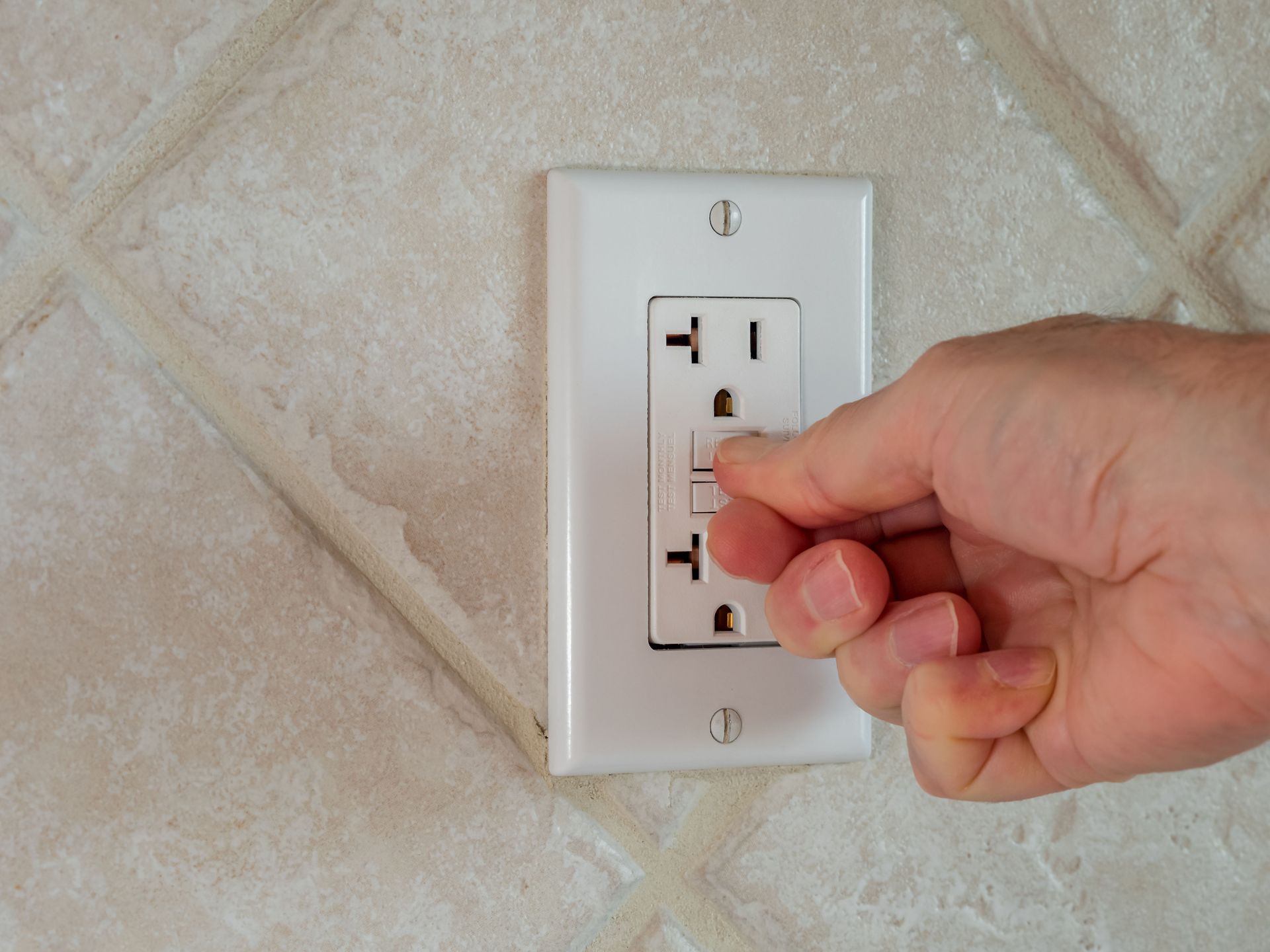
- Warm switches or outlets
Loose wiring should be addressed immediately.
2. Overloaded Circuits
If too many devices are pulling power from the same circuit, it can cause instability and repeated dimming.
You may notice:
- Breakers tripping
- Lights dimming when multiple devices are on
- Frequent need for extension cords
This may require adding dedicated circuits or upgrading capacity.
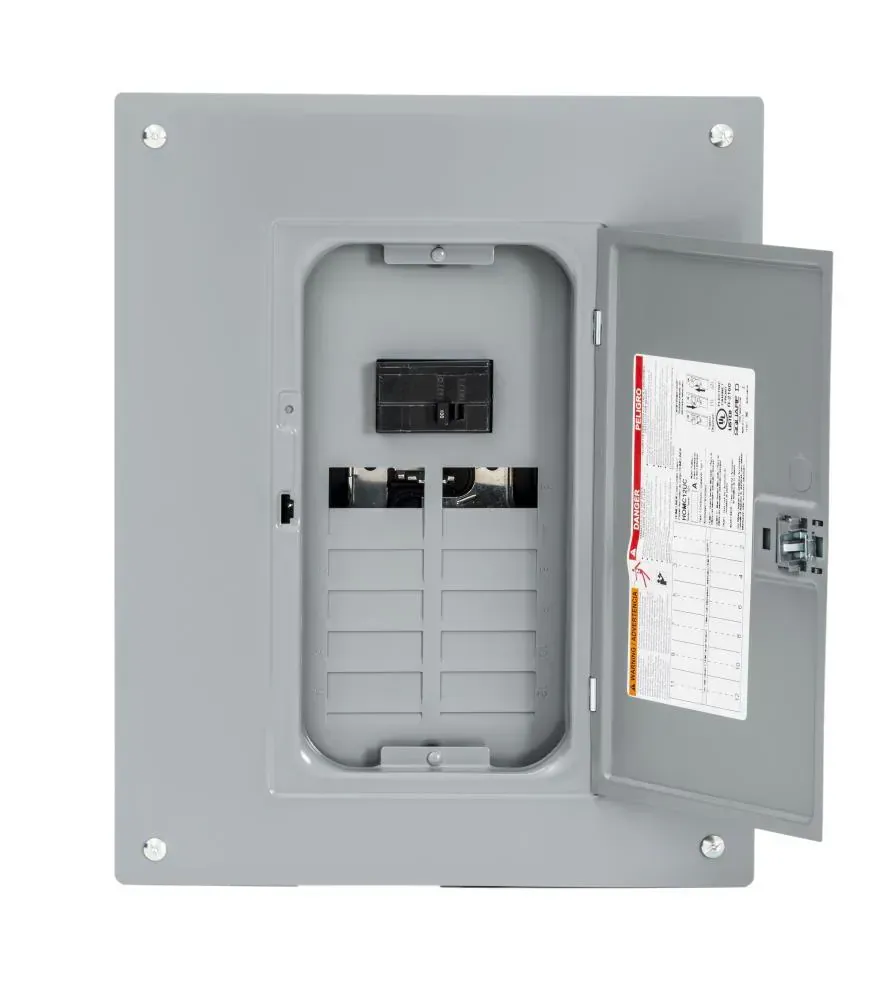
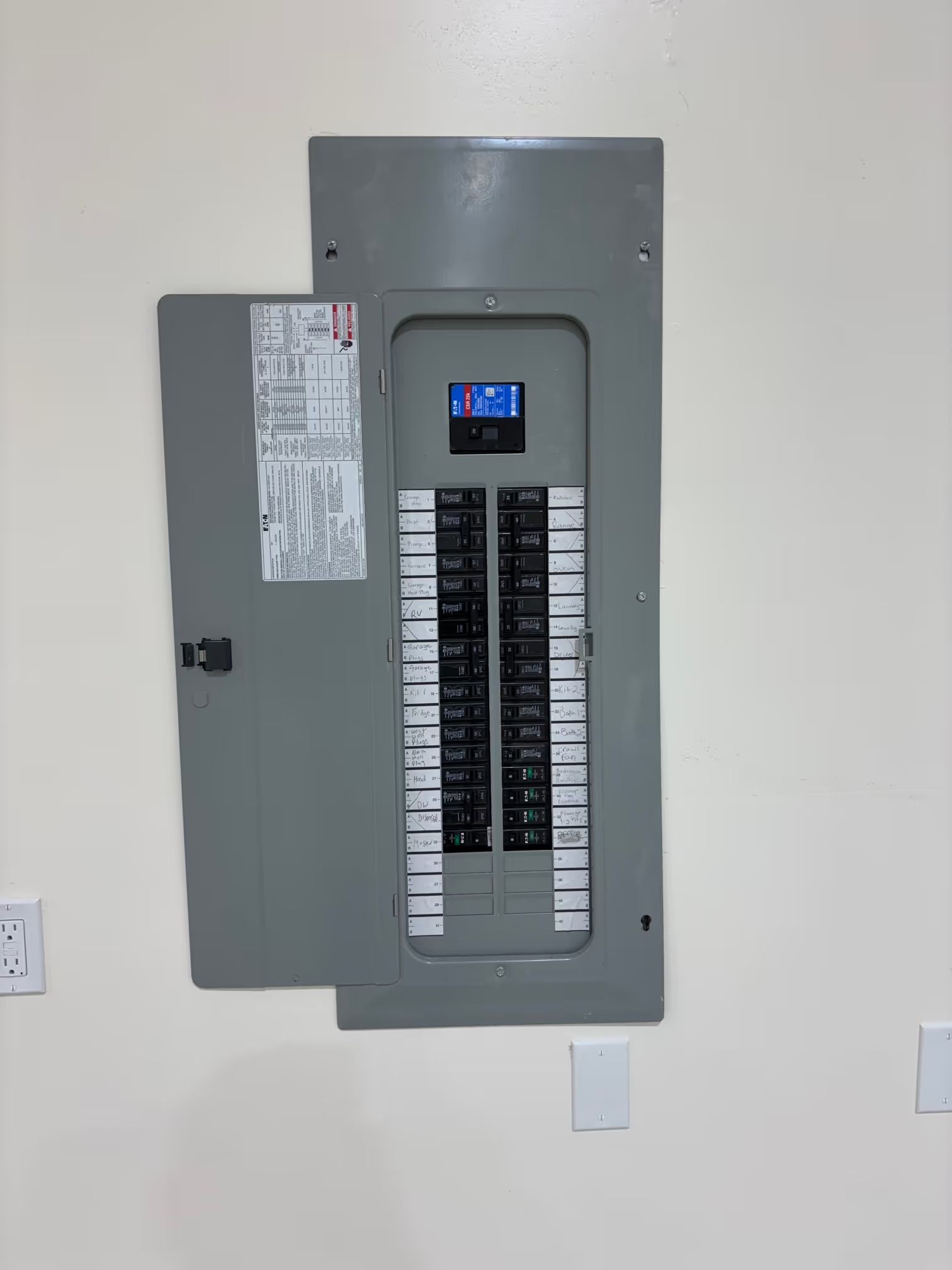
3. Issues With the Electrical Panel
If lights flicker across the entire home, it may point to:
- A loose service connection
- A failing breaker
- A problem inside the panel
Panel-related issues should always be evaluated by a licensed electrician.
4. Utility Company Problems
Sometimes the issue isn’t inside your home at all. Damaged power lines, transformer issues, or neighborhood grid fluctuations can cause flickering.
If your neighbors are experiencing the same issue, the utility company may need to investigate.
When to Call an Electrician Immediately
Call a professional if you notice:
- Flickering throughout the entire house
- Burning smells
- Sparking outlets
- Buzzing sounds from the panel
- Lights that brighten and dim dramatically
Electrical issues rarely fix themselves, and waiting can make repairs more expensive and more dangerous.
The Bottom Line
Occasional flickering can be normal. Persistent or widespread flickering is not. If you’re unsure whether your situation is minor or serious, it’s always better to have it checked. A quick inspection can prevent larger problems down the road.
At Cove Electric, we help homeowners identify electrical issues early, before they become safety hazards.
If something doesn’t feel right, trust your instincts and have it evaluated.